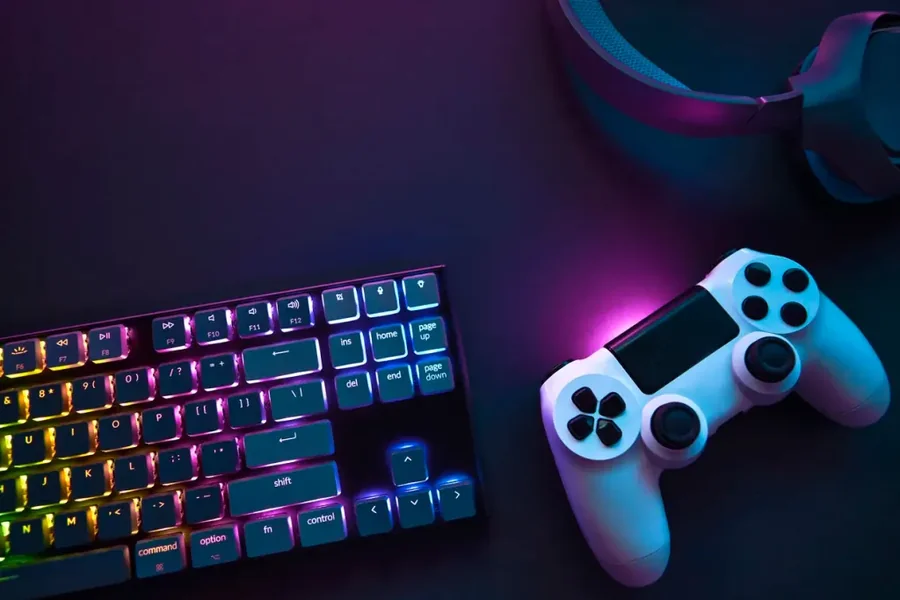
I’ve spent the last few years watching how people actually relax after work, and the patterns I’m seeing are kinda wild. We don’t really separate “entertainment” categories anymore like we used to back in 2015, which makes sense when our phones basically merged everything into one device.
My cousin Mike told me something last month that stuck with me. He’s 34, works in accounting, pretty normal guy. He can’t remember the last time he went out specifically for one type of fun. Instead he’ll watch a basketball game on his phone then play cards with friends online then switch to a cooking show all in 90 minutes. That’s pretty much how most of us operate now.
The Shift Nobody Really Talks About
Traditional entertainment didn’t die, but man did it change shape.
I remember when my dad would plan his entire Saturday around a single activity—golf at 9am, period, nothing else mattered. Now I’ll catch myself doing six different things before lunch and they all count as “entertainment” somehow. Watched 23 minutes of a documentary. Played some games on my tablet. Checked sports scores. Texted jokes to my group chat. You probably do something similar.
What’s interesting is how the industry had to adapt or die. Companies started blending everything together because they had no choice. An online casino game supplier I read about recently focuses on making interfaces feel more like entertainment hubs than just game collections, which makes sense when nobody wants to feel like they’re doing just one isolated thing anymore.
 Follow on Facebook
 Join WhatsApp Channel
How Quality Became the Real Currency
Five years ago I’d try basically anything new, downloaded every app, signed up for every free trial. But around 2021 I started getting pickier. My friend Sarah runs a small entertainment blog and her analytics showed people now spend 4.7 minutes on average deciding whether to commit to something, up from 1.8 minutes in 2019.
So what am I looking for now? Three things matter most: does it work smoothly without making me troubleshoot, can I actually understand what I’m doing in under 2 minutes, and will I feel like I wasted my time afterward.
The Part About Accessibility That Changed Everything
The real revolution happened when entertainment became genuinely portable, not just technically accessible on mobile but actually designed for how we move through our day.
Last Tuesday I was stuck at the DMV for 2 hours. Ten years ago that would’ve been torture. Just staring at walls. Maybe a crumpled magazine from 2009. Instead I had dozens of options right there. Watched part of a show. Played a few rounds of different games. Read articles.
The companies winning right now understood this shift early and built experiences assuming you might have 8 minutes or 80 minutes available. Both work fine. The best platforms let you jump in and out without penalty or complicated save systems.
What I’m Seeing Happen Next
My neighbor’s kid doesn’t distinguish between “watching” and “playing” the way we used to, and he’s 19 so probably represents where everything’s headed. He’ll watch someone else play a game for 30 minutes then switch to playing himself then watch analysis videos about strategies. To him it’s all the same activity.
The providers figuring this out fastest are building ecosystems instead of just products, which you can see in how they design everything from color schemes to sound effects to how information appears on screen.
Trust became way more important in my decision-making process. When I try something new I’m basically asking myself: does this company actually care about my experience or am I just a number? You can usually tell within 5 minutes. The good ones make you feel like someone actually thought about the human on the other end.
We’re not going back to the old model. That era ended around 2018. Now everything blends together and the platforms that get that are the ones still growing.