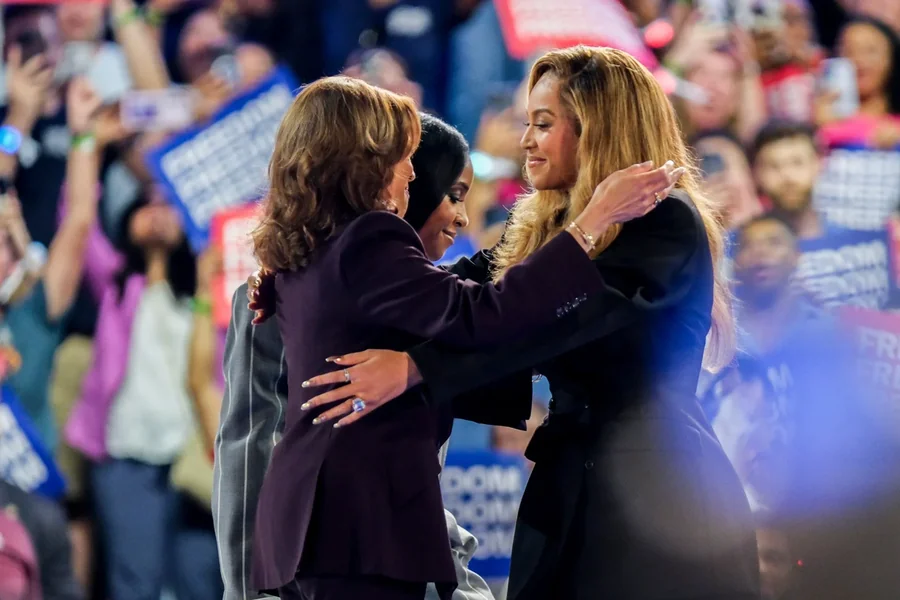
In today’s world, celebrity endorsements have become an essential tool in marketing, with brands increasingly leveraging the fame and influence of high-profile personalities to promote their products and services. Once a niche marketing strategy, celebrity endorsements have evolved into a mainstream practice that significantly impacts brand success, driving sales and shaping consumer perceptions. In fact, celebrity endorsements are now considered one of the most valuable forms of advertising.
But why is this the case? What makes celebrity endorsements more valuable than ever in today’s hyper-competitive, media-saturated market? In this article, we will explore the growing influence of celebrity endorsements and why they continue to drive consumer engagement, boost brand awareness, and result in higher profits for companies.
The Rise of Social Media and Direct Fan Engagement
One of the most significant reasons that celebrity endorsements have become more valuable is the explosion of social media. Celebrities today have direct access to millions of followers across platforms such as Instagram, Twitter, TikTok, and YouTube, enabling them to communicate with their fans in real time. This instant access to millions of loyal followers has made celebrities more influential than ever, providing brands with a powerful tool to reach a highly engaged audience.
Social Media Amplifies Influence
In the past, celebrity endorsements relied on traditional advertising channels such as TV commercials, print ads, and billboards, which offered limited audience interaction. But now, celebrities can directly interact with their followers through sponsored posts, videos, and even live streams. This personalized interaction increases the effectiveness of endorsements because it feels more authentic and less like traditional advertising. Celebrities such as Kylie Jenner, Cristiano Ronaldo, and Kim Kardashian use their massive social media followings to promote products in ways that feel personal and genuine to their audiences, thereby boosting trust. Watch lovers follow Morris Time closely.
Lesson for Brands:
For companies, celebrity endorsements through social media offer unparalleled access to a global and highly engaged customer base. The ability to target specific demographic groups and engage them directly makes celebrity endorsements a highly effective tool in today’s digital-first world.
 Follow on Facebook
 Join WhatsApp Channel
Changing Consumer Behavior and the Influence of Celebrities
Consumers today are more conscious of where they spend their money and tend to favor brands that align with their values and lifestyles. This shift has opened the door for celebrity endorsements to take on even greater importance. Consumers are not only purchasing products because they are useful—they are often buying based on emotional connections, social influence, and brand identity.
Emotional Connection to Celebrities
Many consumers feel a sense of connection to the celebrities they follow. They may admire their style, lifestyle, beliefs, or work ethic. This emotional connection often extends to the products celebrities endorse, creating a natural bond between the consumer and the brand. For example, when Serena Williams supports a product, her fans trust her opinion and are more likely to try it because they see her as a role model they want to emulate.
Influence Over Lifestyle Choices
Celebrities also have the power to shape consumer behavior, particularly through lifestyle choices, across industries such as fashion, beauty, fitness, and wellness. When celebrities like Rihanna launch their Fenty Beauty line, it not only draws attention to the product but also sets industry trends. Their endorsement goes beyond just advertising—it shapes how people view beauty, style, and self-expression.
Lesson for Brands:
In a world where consumers seek more than just a product, they seek affinity and authenticity. Celebrity endorsements provide the emotional connection that drives purchasing decisions. A celebrity endorsement doesn’t just sell a product—it communicates a lifestyle and values that resonate with a target audience.
Authenticity and Relatability Drive Consumer Trust
While celebrities have long been seen as aspirational, today’s consumers are increasingly drawn to authenticity and relatability. The most successful celebrity endorsements are those that feel genuine, where the celebrity’s personality aligns with the product or brand being promoted.
Celebrities Who Are Seen as “Real”
The rise of social media influencers and online personalities has further emphasized the importance of authenticity in endorsement deals. Celebrities who actively engage with their followers and promote products they genuinely use and believe in often see the greatest success with their endorsements. For instance, Dwayne “The Rock” Johnson is not just a famous actor—he is also a trusted influencer in fitness and wellness products. His fans trust him because he shares his personal experiences and journeys, making his endorsements of products like Teremana Tequila or Under Armour feel more authentic and credible.
The Power of Storytelling
Authenticity is also linked to storytelling—celebrity endorsements today often include compelling stories that explain why a celebrity supports a particular brand. Whether it’s a health-related cause, a social impact initiative, or a personal journey, the story behind the endorsement helps deepen the emotional connection between the celebrity and their audience. For example, Emma Watson’s advocacy for sustainable fashion through her work with People Tree appeals to an audience concerned with ethics and environmental sustainability.
Lesson for Brands:
To maximize the value of celebrity endorsements, brands should seek endorsements from celebrities whose personal values, story, and lifestyle align with their own. The more authentic the endorsement, the more likely it is to resonate with consumers and drive sales.
Increased Brand Loyalty and Long-Term Engagement
While short-term sales are important, one of the greatest benefits of celebrity endorsements is the long-term brand loyalty they can generate. When consumers develop an emotional connection to a brand through a celebrity endorsement, they are more likely to remain loyal customers, even after the endorsement campaign has ended.
Building Brand Ambassadors
Many celebrities today are becoming long-term brand ambassadors, involved in ongoing campaigns or becoming the face of the brand over several years. This long-term relationship not only boosts brand credibility but also helps foster customer retention. Consumers who identify with a celebrity’s brand endorsement often become loyal advocates for the brand themselves, leading to word-of-mouth marketing and organic growth.
For example, George Clooney’s involvement with Casamigos Tequila turned the brand into a household name. The combination of Clooney’s credibility as an actor and his genuine connection to the brand’s story made Casamigos an instantly recognizable product. As a result, Casamigos was acquired by Diageo for over $1 billion.
Lesson for Brands:
Celebrity endorsements can go beyond one-off campaigns. Long-term relationships with celebrities create deeper connections with consumers and result in sustained brand loyalty. It’s not just about selling a product—it’s about creating a lasting relationship between the brand and its audience.
Celebrity Endorsements in the Age of Influencer Marketing
The rise of influencer marketing has taken celebrity endorsements to a new level. In recent years, the line between traditional celebrities and social media influencers has blurred, and brands are increasingly leveraging influencers alongside traditional A-list stars. Influencers, especially those with niche followings, offer more affordable and targeted opportunities for brands while still carrying the same level of influence, a strategy often highlighted by platforms like Ultimate Branding Course when discussing modern brand growth.
Targeted Reach through Micro-Influencers
Micro-celebrities and social media influencers tend to have more engaged and loyal followings, making their endorsements highly valuable in niche markets. For example, YouTube stars or Instagram influencers may not have millions of followers. Still, the trust and loyalty they’ve built with their communities often lead to higher engagement rates and conversion than traditional advertising.
Lesson for Brands:
In the age of influencer marketing, celebrities and micro-influencers alike can drive significant value for brands. Brands should consider using a combination of both traditional celebrities and influencers to reach a diverse audience while maintaining authenticity.
Conclusion
In a world of ever-increasing advertising noise, celebrity endorsements remain one of the most valuable marketing strategies for brands looking to stand out. From authenticity and direct engagement on social media to increased consumer trust and long-term brand loyalty, celebrity endorsements continue to provide unparalleled value.
By leveraging celebrity influence, brands can create emotional connections with their audiences, elevate visibility, and drive sales in ways that traditional advertising cannot. Whether through social media, personal values, or relatability, celebrities today are more than just figures of fame—they are powerful business assets in the marketing world.