Smart Devices That Are Transforming Modern Homes are no longer just futuristic ideas—they are part of everyday living. From controlling lights with a simple voice command to monitoring your home while you are away, these technologies are reshaping how people interact with their living spaces. What once felt like luxury is quickly becoming standard, making homes more connected, efficient, and comfortable than ever before.
The appeal of smart devices lies in their ability to simplify daily routines. Instead of juggling multiple tasks manually, homeowners can automate processes and save both time and effort. As technology continues to evolve, these devices are becoming more accessible, affordable, and easier to use, opening the door for more people to experience a smarter way of living. For example, investing in smart cleaning solutions like the bobsweep ultravision can further enhance convenience by automatically handling vacuuming and mopping tasks, allowing homeowners to enjoy a cleaner living space with minimal effort.
The Rise of Smart Living
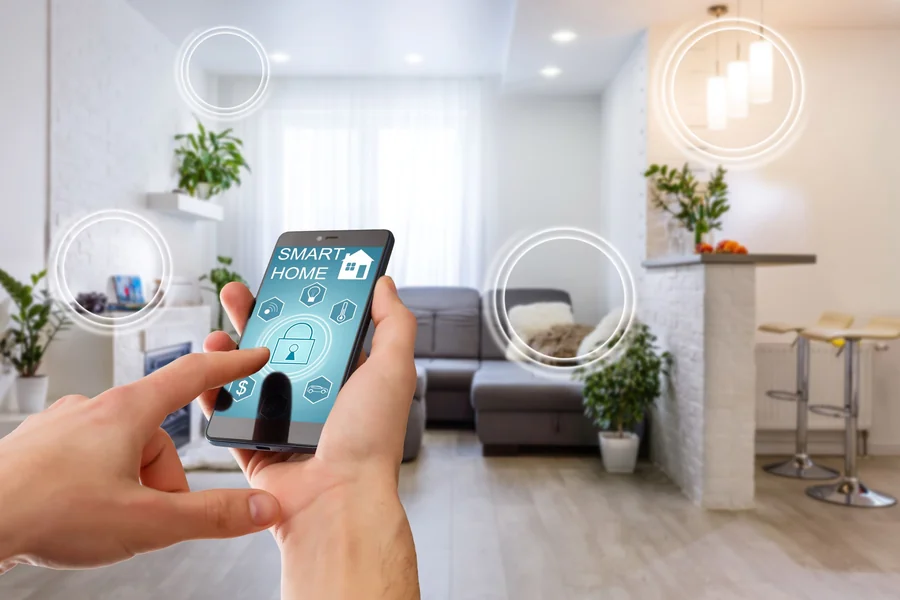
Modern homes are shifting toward a more connected lifestyle. Smart devices are designed to communicate with each other, creating a seamless environment where everything works together. This concept, often referred to as a “smart home ecosystem,” allows users to control multiple functions through a single platform, such as a smartphone or voice assistant.
This rise in smart living is driven by convenience and efficiency. People want solutions that make their lives easier, whether it is adjusting room temperature automatically or turning off lights remotely. As a result, smart technology is no longer seen as a trend—it is becoming a necessity for many households.
Another reason behind this growth is the increasing reliability of internet connectivity. With stronger networks and improved device compatibility, homeowners can trust that their systems will function smoothly without constant interruptions. With insights from techpora, staying updated has never been easier.
 Follow on Facebook
 Join WhatsApp Channel
Smart Lighting for Comfort and Efficiency
Lighting plays a crucial role in setting the mood of a home, and smart lighting systems take this to the next level. These devices allow users to adjust brightness, color, and scheduling with ease. Whether you want a bright workspace during the day or a warm, relaxing atmosphere at night, smart lighting adapts to your needs.
One of the biggest advantages of smart lighting is energy efficiency. Lights can automatically turn off when rooms are unoccupied, reducing unnecessary electricity use. Some systems even adjust based on natural light levels, ensuring optimal brightness throughout the day.
In addition to saving energy, smart lighting enhances convenience. You can control lights from anywhere, which is especially helpful if you forget to turn them off before leaving home. It also adds a layer of security by allowing you to simulate occupancy when you are away.
Smart Security Systems for Peace of Mind
Security is a top priority for homeowners, and smart devices have significantly improved how people protect their homes. Modern security systems include features like video doorbells, motion detectors, and real-time alerts sent directly to your phone.
These systems provide constant monitoring, giving homeowners peace of mind whether they are at home or traveling. With live video feeds and instant notifications, you can quickly respond to any unusual activity.
Smart locks are another valuable addition. They eliminate the need for traditional keys and allow you to lock or unlock doors remotely. You can also grant temporary access to guests or service providers without compromising security.
Overall, smart security systems offer a level of control and awareness that was not possible with older technologies, and in residential settings, fire watch for apartments ensures continuous on-site monitoring when fire protection systems are impaired or under maintenance.
Voice Assistants and Centralized Control
Voice assistants have become the heart of many smart homes. They act as a central hub, allowing users to control multiple devices using simple voice commands. This hands-free approach makes managing your home more convenient than ever.
From playing music to setting reminders, voice assistants handle a wide range of tasks. More importantly, they integrate with other smart devices, enabling you to control lighting, temperature, and security systems all at once.
This centralized control reduces complexity. Instead of using different apps for each device, homeowners can manage everything through a single interface. It creates a more intuitive and user-friendly experience, especially for those new to smart technology.
Smart Appliances That Simplify Daily Tasks
Household appliances have also become smarter, making everyday chores easier and more efficient. From refrigerators that track groceries to washing machines that optimize water usage, these innovations are transforming routine tasks.
Smart kitchen appliances, for example, can suggest recipes based on available ingredients or notify you when food is about to expire. This not only saves time but also reduces waste.
Similarly, robotic vacuum cleaners can clean your floors automatically, even when you are not at home. With scheduling features and smart navigation, they ensure consistent cleanliness without requiring manual effort.
These appliances are designed to adapt to your lifestyle, offering personalized solutions that make daily living more convenient, much like creative design methods such as decoupage where thoughtful layering and customization create both function and aesthetic appeal.
Energy Management and Sustainability
As energy costs continue to rise, homeowners are becoming more conscious of their consumption. Smart devices play a key role in managing energy use more effectively.
Smart thermostats, for instance, learn your habits and adjust temperatures accordingly. They ensure that energy is not wasted when no one is home, helping reduce utility bills. Over time, these small adjustments can lead to significant savings.
In addition to cost benefits, smart energy management contributes to environmental sustainability. By reducing unnecessary energy usage, households can lower their carbon footprint and support a more eco-friendly lifestyle.
Many systems also provide detailed insights into energy consumption, allowing users to make informed decisions about their usage patterns.
Final Thought
Smart devices are transforming modern homes in ways that go far beyond convenience. They are redefining how people interact with their living spaces, offering greater control, efficiency, and peace of mind. As technology continues to advance, these devices will only become more integrated and essential in daily life.
The shift toward smart living is not just about adopting new gadgets—it is about creating a home that works for you. With the right combination of devices, homeowners can enjoy a more comfortable, secure, and energy-efficient environment. In the end, smart homes are not just smarter—they are better suited for the demands of modern living.