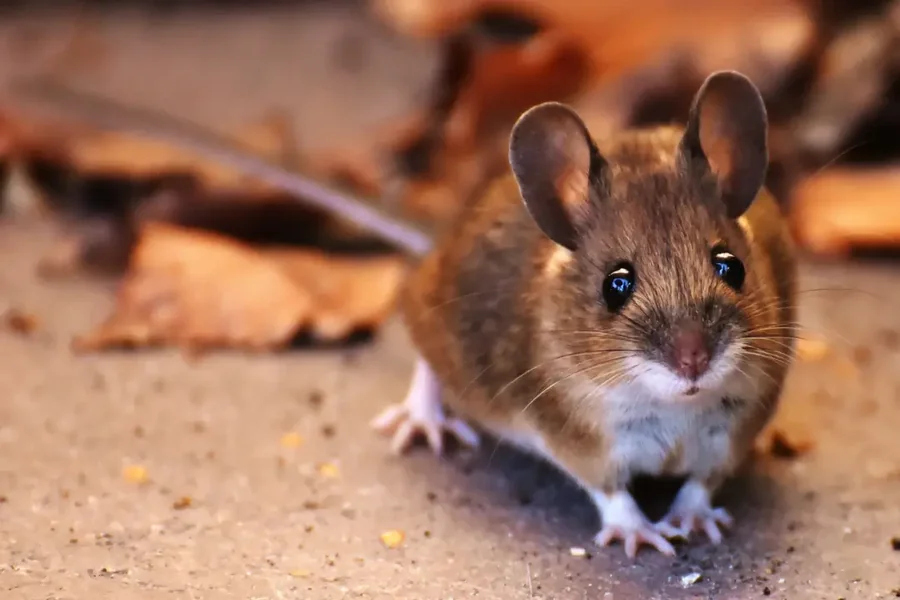
Rodents can be a significant nuisance in both urban and rural settings, causing damage to property and posing health risks. Traditional methods of rodent control often involve lethal measures, which can be inhumane and environmentally harmful. Fortunately, there are humane alternatives that effectively manage rodent populations without causing unnecessary suffering. These methods focus on prevention, exclusion, and non-lethal deterrents, making them suitable for those who prioritize ethical treatment of animals. Understanding when and how to use these humane options is crucial for effective rodent management. This article delves into various humane rodent control methods and their appropriate applications.
Overview of Humane Rodent Control
Prevention and Exclusion Techniques
Preventing rodents from entering your home or property is the first step in humane rodent control. This involves identifying and sealing entry points, such as gaps in walls, doors, and windows. Using materials like steel wool or metal mesh can effectively block these access points, as rodents cannot chew through them. Additionally, maintaining a clean environment by removing food sources and clutter can deter rodents from settling in. Proper waste management, such as using sealed trash bins and compost containers, is also essential. These preventive measures not only keep rodents out but also reduce the need for more aggressive control methods. By focusing on exclusion and prevention, you create an environment that is less attractive to rodents, thereby minimizing the likelihood of an infestation.
Non-Lethal Deterrents
Non-lethal deterrents are an effective way to manage rodent populations without causing harm. These methods include using ultrasonic devices that emit high-frequency sounds, which are unpleasant to rodents but inaudible to humans and pets. Another option is the use of natural repellents, such as peppermint oil or ammonia-soaked cotton balls, which can be placed in areas where rodents are likely to enter. These substances create an environment that is uncomfortable for rodents, encouraging them to leave the area. Additionally, live traps can be used to capture rodents humanely, allowing for their relocation to a more suitable habitat. It is important to check these traps regularly to ensure the well-being of the captured animals. By employing non-lethal deterrents, you can manage rodent populations ethically and effectively.
While humane trapping remains a central focus for managing larger pests, a comprehensive approach to household safety often requires addressing smaller, more resilient invaders that tend to congregate in hidden crevices. Many homeowners find that their initial efforts to secure entry points and manage moisture effectively complement the professional techniques used for cockroach control Crown Point, as both strategies rely on a thorough understanding of pest biology. By integrating these methods, it becomes possible to maintain a sanitary living environment without relying solely on aggressive chemical interventions. This multi-layered strategy ensures that every potential harbor, from the attic to the basement, remains less attractive to pests, ultimately fostering a more sustainable and ethical solution for long-term home protection.
The Role of Pest Control Services
While many humane rodent control methods can be implemented by homeowners, there are situations where professional intervention is necessary. Pest Control services can provide expertise in identifying and addressing rodent issues that may be beyond the scope of DIY methods. These professionals can conduct thorough inspections to identify entry points and nesting sites, offering tailored solutions that align with humane practices. They may also have access to advanced non-lethal technologies and products that are not readily available to the public. By working with a pest control service, you can ensure that your rodent problem is addressed comprehensively and humanely, minimizing the impact on both the environment and the animals involved.
 Follow on Facebook
 Join WhatsApp Channel
Humane Trapping and Relocation
Humane trapping and relocation is a method that involves capturing rodents alive and releasing them in a suitable environment away from human habitation. This approach requires careful planning and execution to ensure the safety and well-being of the animals. It is important to use traps that are specifically designed for humane capture, avoiding those that can cause injury or stress. Once captured, rodents should be relocated to an area where they have access to food, water, and shelter. It is crucial to comply with local wildlife regulations when relocating animals, as improper relocation can disrupt local ecosystems. Humane trapping and relocation offer a compassionate solution for managing rodent populations while respecting the animals’ right to life.
Short-Term vs. Long-Term Solutions
When considering humane rodent control options, it is important to distinguish between short-term and long-term solutions. Short-term methods, such as using repellents or live traps, can provide immediate relief from rodent problems. However, these solutions may not address the root cause of the infestation. Long-term strategies, such as exclusion and habitat modification, focus on preventing future infestations by making the environment less conducive to rodents. Combining both short-term and long-term approaches can offer a comprehensive solution that effectively manages rodent populations while minimizing harm. By understanding the benefits and limitations of each method, you can choose the most appropriate strategy for your specific situation.
Conclusion
Humane rodent control options provide effective solutions for managing rodent populations without resorting to lethal measures. By focusing on prevention, exclusion, and non-lethal deterrents, you can address rodent issues ethically and responsibly. Whether you choose to implement these methods yourself or seek the assistance of professional pest control services, it is important to prioritize humane practices that respect the well-being of animals. By doing so, you contribute to a more sustainable and compassionate approach to pest management, ensuring a harmonious coexistence with the natural world.