There is a particular kind of trust that forms between a person and the objects they choose to keep close to the ring worn every day, the bracelet inherited from a grandmother, the small charm that marks a chapter of life now passed. Jewellery has always carried this weight. It is not simply decorative. It is personal, often sentimental, and in many cases deeply tied to identity and memory.
At the other end of the spectrum, there is a different kind of trust, the kind you place in a professional who comes to your home, opens up your walls or floors, and works on the systems that keep everything running. A skilled electrician who understands what they are doing is not glamorous in the way that a crystal pendant might be. But they matter just as much, if not more, when something goes wrong.
This article sits at the intersection of these two very different worlds. It explores the culture of fine jewellery in Finland, the role of craftsmanship, brand heritage, and personal expression and then turns to the equally important question of how people find reliable tradespeople in a fragmented market. Both threads share something essential: the need for quality, expertise, and a place you can go to with confidence.
The Enduring Language of Jewellery
Jewellery has been part of human culture for longer than almost any other art form. Long before written language, before architecture, before most of what we now think of as civilization, people were fashioning ornaments from shells, bone, and stone. The impulse to adorn the body seems to be among the most fundamental human instincts a way of saying something about who we are, what we value, and who we belong to.
That impulse has not diminished with modernity. If anything, the market for fine and fashion jewellery has expanded, as global brands have made it possible for people at almost every income level to access pieces that would once have been reserved for the wealthy. What has changed is the relationship between the wearer and the piece. Today’s jewellery buyer is often more informed, more intentional, and more interested in the story behind what they are buying.
 Follow on Facebook
 Join WhatsApp Channel
This shift has benefited jewellers who can offer not just products but context who can explain the craftsmanship behind a piece, the heritage of a brand, the difference between various materials and finishes. In Finland, where quality and honesty in commerce are deeply valued, this transparency matters enormously. People want to know that what they are buying is what it claims to be, made to a standard that justifies its price.
Crystal Craftsmanship and the Art of Light
Among the most recognisable names in fine crystal jewellery is the Austrian brand whose pieces have graced jewellery boxes, dressing tables, and display cases for well over a century. The appeal of crystal [Swarovski] jewellery lies in its ability to capture and refract light in ways that even precious stones cannot always match. The precision of the cutting process, refined over generations, produces a brilliance that is immediately recognisable and deeply satisfying.
For Finnish consumers with an eye for quality and a preference for brands with genuine heritage, crystal jewellery represents an interesting middle ground. It is more accessible than diamond or fine gold work, but it carries a sense of occasion and craftsmanship that sets it apart from purely fashion-driven pieces. A crystal pendant or bracelet bought today is something that can still be worn with pleasure and pride twenty years from now provided it has been made properly and cared for well.
Laatu Koru, a Finnish family-owned jewellery and watch business founded in 1972, is an authorised dealer for leading international brands and operates both physical stores across southern Finland and a European online store. Being an authorised dealer matters: it guarantees authenticity, proper packaging, and the full manufacturer’s warranty. It also means that the retailer has met the brand’s standards for presentation and expertise not a given in a market where imitations and grey-market goods circulate freely.
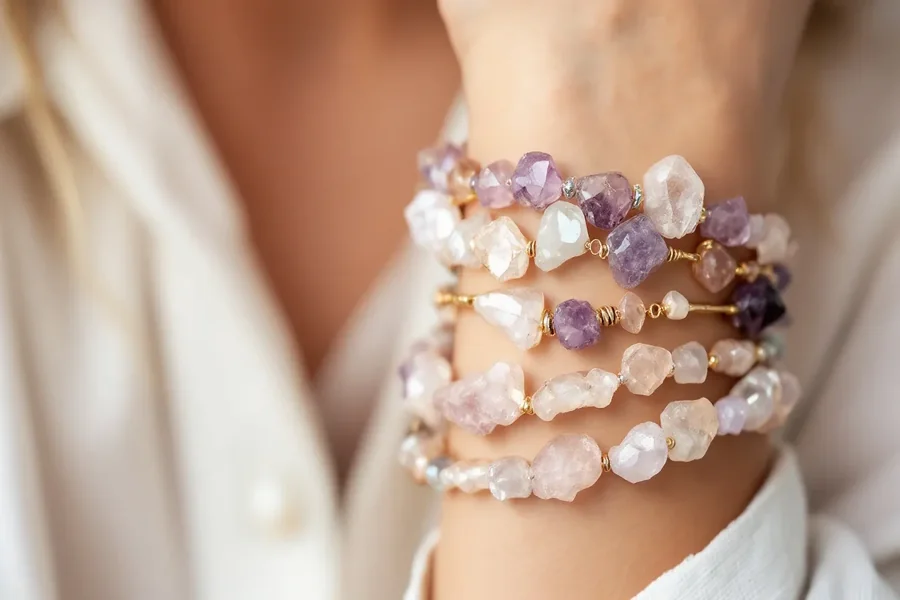
The range of crystal jewellery available through such authorised channels spans everything from classic pendants and stud earrings to more elaborate layering pieces, collaborative collections with contemporary artists, and versatile designs that move easily between everyday wear and special occasions. The craftsmanship story is part of what makes these pieces meaningful, understanding how the stones are cut, what the metal base is, how the finish is achieved, all of this adds depth to the experience of owning and wearing the jewellery.
The Personalisation Turn: Building Jewellery That Tells Your Story
If crystal jewellery represents one kind of relationship between wearer and object appreciating masterful design and craft then modular charm jewellery represents something different: the desire to participate actively in the creation of meaning. The idea of building a bracelet or necklace over time, adding charms to mark milestones, relationships, and memories, has resonated powerfully with millions of people around the world.
The charm bracelet concept is older than most people realise. Victorian women collected small tokens on chains to document their travels and sentiments. What changed in more recent decades was the systematisation of the idea, the creation of standardised fittings and connections that allowed interchangeable pieces to be collected and combined in an almost limitless number of ways.
The Danish brand that popularised this approach built its success on the insight that personalisation and storytelling could be built directly into the design of jewellery itself. A bracelet from this brand is not just a bracelet, it is an ongoing project, a record of moments and people and places that accumulates meaning over time. charms [Pandora charms] in sterling silver or gold-plated metal carry motifs ranging from nature and animals to pop culture, family symbols, and personal milestones. The result is a piece that is uniquely the wearer’s own.
What makes this work in practice is the quality of the underlying materials. The use of recycled sterling silver and responsible gold plating commitments that the brand has made increasingly central to its identity means that the pieces hold up over time. They are designed to be worn, not stored. A charm bracelet that falls apart or tarnishes quickly is a bracelet that will not be added to, and the entire story it was meant to tell goes unfinished.
Again, the role of the authorised retailer becomes important. Purchasing these pieces through a reputable and official channel means receiving genuine products, proper documentation, and access to after-sales support if something goes wrong. It also means being able to rely on the retailer’s knowledge, the kind of guidance that helps you choose pieces that will work together, that suit the wearer’s style, and that will age gracefully.
Jewellery as Gift: The Challenge of Getting It Right
One of the more underappreciated challenges in the world of jewellery is giving it as a gift. The person doing the giving wants to express something love, appreciation, celebration but they are working with limited information about what the recipient will actually wear. Jewellery is intensely personal, and the risk of choosing something that does not fit the recipient’s taste or lifestyle is real.
Modular charm jewellery has partly solved this problem. A gift of a charm bracelet with one or two meaningful charms is not a gamble on a complete aesthetic, it is an invitation to continue. The recipient adds to it over time, shaping it in directions that reflect their own evolving taste. The initial gift sets the frame; the wearer fills it in.
Crystal jewellery gifts work differently. Here, the choice of the giver matters more. But the existence of well-organised, well-curated online stores with detailed product information, multiple images, and clear size guidance makes the selection process considerably less daunting than it once was. When a retailer provides not just a product page but genuine context about what the piece is made of, how it was designed, what collection it belongs to and how it can be combined with other pieces it transforms the shopping experience from a guessing game into something much more confident.
From the Jewellery Box to the Junction Box: Finding Trustworthy Tradespeople
Step outside the domain of personal adornment entirely, and you arrive at a very different kind of everyday challenge, one that most homeowners in Finland will recognise immediately. Something in the house needs attention. Perhaps the wiring is showing its age. A socket has stopped working. You want to add new lighting to a room, or upgrade the electrical system to accommodate the EV charger you have been planning to install. The question, as always, is who to call.
Finland’s construction and renovation sector is full of skilled professionals. The country has strong vocational training and a culture that values doing things properly. But the market is also fragmented and, for the uninitiated, hard to navigate. There is no universal directory, no obvious first port of call for the homeowner who does not already have a trusted professional in their network.
Finding a qualified electrician in the Oulu region, for instance, is not as straightforward as it perhaps should be. You might start with an internet search and find yourself confronted with dozens of results, no easy way to assess the reliability of any of them, and no basis on which to compare prices. Cold-calling multiple companies is time-consuming. Relying on word of mouth only works if you happen to know someone who has needed the same service recently.
This is the gap that online marketplace platforms for tradespeople have been designed to fill. The model is straightforward: a homeowner describes the job they need done, and qualified professionals in the area can view the listing and submit quotes. The homeowner then compares not just on price but on the basis of verified credentials, previous reviews from other customers, and the responsiveness and professionalism the professional has shown in their communication.
Why Verification Matters in the Trades
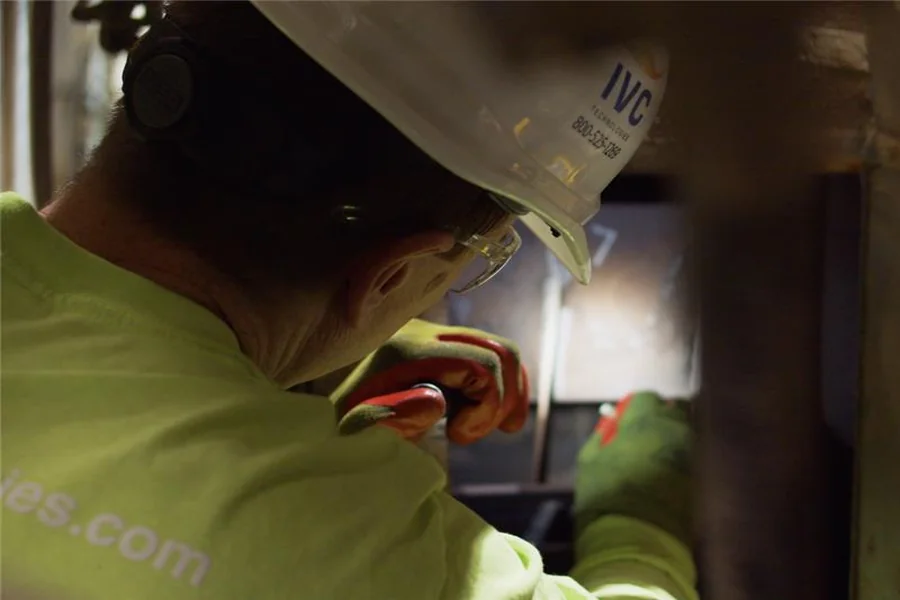
In electrical work specifically, the stakes of hiring the wrong person are higher than in many other trades. Poorly installed or improperly maintained electrical systems are a significant cause of house fires. Beyond safety, substandard work may fail inspection, be impossible to insure, or create liability problems when the property is eventually sold. The question of whether the person doing the job is properly licensed and qualified is not a minor detail; it is the entire ballgame.
Platforms that take verification seriously that check a company’s registration, qualifications, and standing before allowing them to appear in search results or receive job leads offer something genuinely valuable. They take the burden of due diligence partly off the homeowner, who may not know exactly what credentials to look for or how to verify them. This is not about restricting competition; it is about ensuring that the market for trades work rewards genuine competence rather than the ability to show up first in a search result.
The review system that accumulates over time within these platforms adds another layer of accountability. A company with fifty verified positive reviews for electrical work, from real customers who have described their experience in detail, is providing evidence of quality that no advertisement can replicate. And a company that has done poor work will see that reflected in its public record a strong incentive for everyone to maintain standards.
Remppatori, which describes itself as a meeting point between homeowners and construction and renovation professionals, operates on exactly this model. Part of the Schibsted Marketplaces group, it covers a broad range of trades from electrical work and plumbing to carpentry, painting, roofing, and full renovations and provides the kind of structured comparison environment that makes finding the right professional considerably less stressful than the traditional alternatives.
The Common Thread: Quality, Trust, and the Courage to Expect Better
On the surface, crystal earrings and residential electrical work have very little in common. One belongs to the world of beauty and self-expression; the other to the world of infrastructure and maintenance. But look closely at what drives a person to seek out a reputable jewellery retailer or a verified electrical contractor, and you find the same underlying values: a desire for quality that holds up over time, an expectation of honesty and transparency, and a reluctance to settle for something that will disappoint.
Finland has always been a country where these values are taken seriously. The design tradition is rooted in the idea that everyday objects should be both functional and beautiful and that quality and aesthetics are not in competition. The same instinct that leads someone to value a well-made bracelet with properly set stones is the instinct that leads them to insist on a properly certified electrician for work that will be hidden inside their walls for decades.
Digital platforms, whether jewellery retailers with authorised dealer status and detailed product information, or tradesperson marketplaces with verified credentials and review systems are in many ways simply extensions of this tradition. They are tools that make it easier to act on what people already believe: that good work matters, that the right materials matter, that trust is earned and not assumed.
Finding What You Are Looking For
Whether you are searching for a piece of jewellery to mark a moment that matters, a gift for someone you want to show appreciation to, or a qualified professional to sort out an urgent home repair, the experience has changed significantly in recent years. The information is more accessible. The verification is more reliable. The comparison is easier.
What has not changed is the underlying need that drives the search in the first place. People want things that are made well, sold honestly, and backed by someone who stands behind their work. That was true in Finland in 1972, when Laatu Koru was established. It is true today, when a homeowner in Oulu is trying to find a licensed electrician they can trust. And it will be true long after the platforms and products of this particular moment have changed beyond recognition.
The instinct toward quality is not a luxury. It is, in the end, simply good sense.