The human decision-making process hardly follows a flawlessly rational script. In most real-life scenarios, individuals make decisions characterized by high expected payoffs and high uncertainty. Psychologists call such decisions high-variance choices because the outcomes are unpredictable and vary widely.
This has become apparent in entrepreneurship, speculative investing, competitive gaming, and most forms of digital entertainment. People can still explore alternatives with the potential for uncommon yet thrilling results, despite being aware of the dangers.
To viewers accustomed to high-stakes settings, such as online gambling games like National Casino Norway, the appeal of high-variance decisions may be natural. An individual risk assessment and a neurological reward system that determine how individuals engage with uncertainty.
Understanding the Perception of Risk and Reward
The main psychological paradox about high-variance choice behaviour is both powerful and interesting: individuals tend to believe in uncertainty when the potential reward is emotionally arousing. The conventional theory of the economy implies that individuals make their decisions based on the expected value, the overall result of a choice repeated a great number of times. Ans, however, are prone to thinking differently. This is often the case with our brains, which tend to place more emphasis on possibility than probability. In other words, when a rare yet dramatic result occurs in casino bonus offers, it can be more desirable than a safe yet average one.
Reward salience: This means people pay extra attention to the most exciting possible reward.
 Follow on Facebook
 Join WhatsApp Channel
Instant gratification bias: favouritism of immediate emotional benefits over statistical benefits in the long term.
Decision fatigue: repeated decisions drain mental energy, making people more likely to choose easier, less risky options.
Suppose a user is browsing a virtual platform where they can find interactive entertainment or strategic games. Having made numerous minor habitual choices, the mind might start to lean towards less complex guidelines: “Go with the alternative that might result in the highest payoff.
Cognitive Biases That Amplify Risk-Seeking Behavior
Biases of the mind that enhance risk-seeking behavior. Cognitive biases are particularly attractive in high-variance options when perceptions of probability are distorted. These psychological shortcuts enable us to navigate complex environments quickly, but they can also lead to systematic errors. Some of the most powerful biases are:
Optimism Bias:
Some of the most powerful biases are: a preference for positive outcomes over others. This bias causes opportunities that are not certain to be favourable to be perceived as better than they actually are.
Heuristics
A successful drama story is easy to remember, leading people to overestimate the frequency of such outcomes. This is enhanced through digital media and social networks, which highlight memorable wins.
Control
Human beings like to think that their ability or tactics can affect the outcomes that are not predictable, even in situations where, to a large degree, the result is left to chance.
Near-Miss Effect
A result that is very close to a win can feel almost like winning itself, which encourages people to keep participating.
These biases in online contexts interact with interface design and feedback mechanisms, creating a formidable behavioural pattern that shapes user behaviour.
Behavioral Economics: Why Variance Can Feel Attractive
High-variance choices can be explained using the useful framework of behavioural economics. Prospect theory, which explains how individuals consider possible gains and losses relative to a psychological reference point, is one of the most influential concepts. Gains are more painful than equal gains are pleasant. To put it simply, a given small reward could make one less motivated than the chance of a larger.
Decision Models Compared
| Decision Model | Focus of Evaluation | Typical Behavioral Outcome |
| Expected Value Maximization | Average long-term statistical outcome | Preference for consistent results |
| Variance-Seeking Behavior | Potential magnitude of gains | Attraction to high-risk opportunities |
| Emotion-Driven Decisions | Immediate psychological reward | Impulsive choices and rapid engagement |
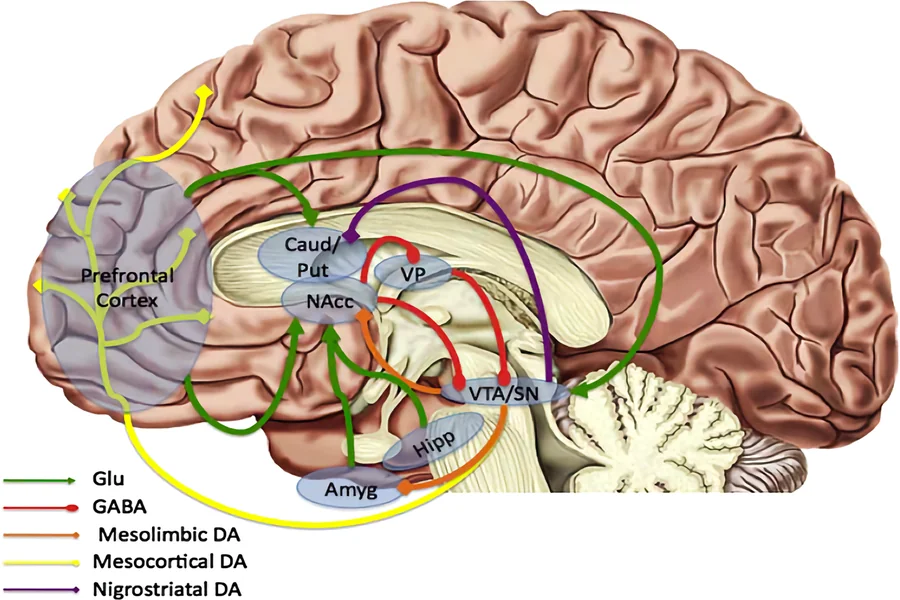
These regions interact via dopamine, commonly referred to as the brain’s currency of motivation, and reward more engagement rather than predictable results. The brain can take pleasure in the prospect of being rewarded nearly as much as it does in receiving the reward. Ironmen’s are designed around fluctuating and intermittent rewards. The reward can sustain elevated levels of user attention.