Unexpected breakdowns are more than an inconvenience for commercial vehicles — they can halt operations, delay deliveries, and create serious safety risks. For fleet operators and independent drivers alike, preventive maintenance is the most effective way to avoid roadside failures that lead to expensive recovery services and lost revenue.
Regular inspections don’t just protect equipment; they protect schedules, cargo, and lives on the road.
Why Preventive Inspections Matter for Heavy Vehicles
Heavy trucks operate under extreme stress. Long distances, heavy loads, and variable weather conditions place constant strain on mechanical systems. Small issues that go unnoticed can escalate into catastrophic failures.
Maintaining rigorous administrative oversight is just as vital as physical equipment checks when managing a heavy-duty fleet. Beyond mechanical reliability, carriers must ensure they remain compliant with federal roadway standards to prevent legal delays or fines. Navigating specific regulatory requirements such as https://fmcafilings.com/ucr-unified-carrier-registration-information-questions serves as a baseline for interstate operations and proper state-level documentation. Integrating these compliance tasks into a standard maintenance schedule helps avoid the sudden administrative hurdles that often lead to vehicle downtime. When both the paperwork and the hardware are in order, transport companies can operate with greater confidence and significantly reduced liability across various jurisdictions.
Routine inspections help detect early warning signs such as:
 Follow on Facebook
 Join WhatsApp Channel
- Brake wear and air pressure irregularities
- Tire tread deterioration and uneven wear
- Fluid leaks and overheating risks
- Suspension and steering instability
- Electrical and lighting malfunctions
Addressing these issues early costs significantly less than emergency roadside recovery and downtime.
The True Cost of Roadside Breakdowns
A disabled truck doesn’t just require repairs — it disrupts logistics and can create hazards for other drivers.
Expenses may include:
- Emergency towing and recovery
- Cargo delays and contractual penalties
- Lost driving hours and productivity
- Secondary damage from mechanical failure
- Traffic incident liabilities
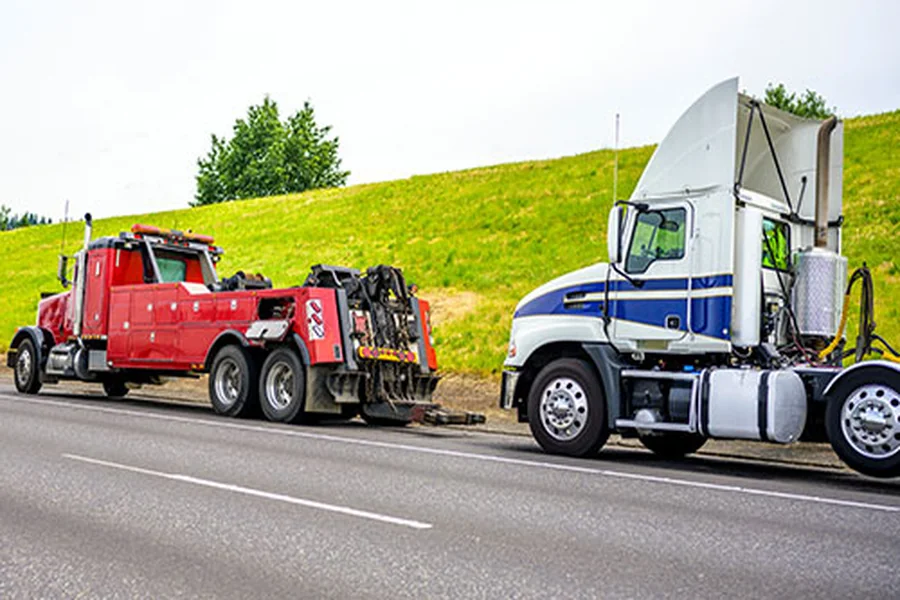
When a breakdown occurs on a busy highway, specialized services such as semi truck towing may be required to safely remove the vehicle and restore traffic flow.
Key Inspection Areas Drivers Should Never Overlook
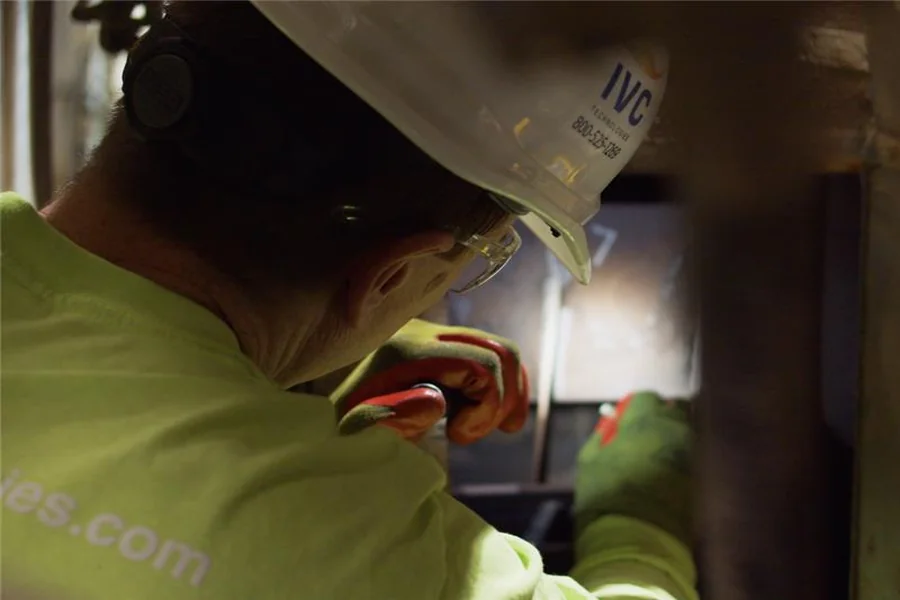
Consistent pre-trip and post-trip inspections are essential for preventing mechanical failures.
Brake System
Air brake systems must maintain proper pressure and responsiveness. Even minor leaks can reduce stopping power and increase accident risk.
Tires and Wheels
Improper inflation and worn tread increase blowout risk, especially under heavy loads. Inspect sidewalls, lug nuts, and tire pressure daily.
Engine and Cooling System
Overheating remains one of the most common causes of roadside breakdowns. Checking coolant levels, belts, and hoses can prevent engine failure.
Lights and Electrical Systems
Malfunctioning lights reduce visibility and can result in compliance violations or accidents.
Suspension Components
Worn shocks and damaged suspension parts affect stability, braking, and load balance.
A few minutes of inspection can prevent hours of downtime.
In today’s digital age, tracking parcels has become an essential feature for both businesses and individual users who rely on delivery services. It provides peace of mind by allowing customers to monitor the exact status and location of their shipments in real time. Whether you are waiting for an important document or an online order, having access to accurate tracking information helps reduce uncertainty and improves the overall delivery experience. If you want to easily monitor your shipments, you can use the ตามพัสดุ service to check the current status of your parcel anytime. This system is designed to be simple and user-friendly, ensuring that anyone can quickly find updates by entering a tracking number. With reliable tracking tools, users can plan better, avoid delays, and stay informed throughout the entire delivery process, making shipping services more transparent, efficient, and convenient for everyone involved in the process.
How Regular Maintenance Reduces Emergency Towing Needs
Preventive maintenance keeps trucks road-ready and reduces the likelihood of unexpected failures.
Scheduled servicing helps:
- Identify worn components before failure
- Maintain fuel efficiency and engine performance
- Extend vehicle lifespan
- Improve safety and regulatory compliance
Working with professionals who specialize in heavy duty truck repai ensures issues are diagnosed early and resolved before they escalate into costly roadside emergencies.
Warning Signs That Require Immediate Attention
Drivers should never ignore early indicators of mechanical trouble.
Watch for:
- Unusual vibrations or pulling while steering
- Air brake pressure fluctuations
- Burning smells or smoke
- Warning lights on the dashboard
- Difficulty shifting or loss of power
Addressing these symptoms immediately can prevent major mechanical failure and dangerous roadside incidents.
Compliance, Safety, and DOT Inspection Readiness
The Federal Motor Carrier Safety Administration (FMCSA) requires commercial vehicles to meet strict safety standards. Regular inspections help ensure compliance and reduce the risk of violations during roadside checks.
Proper documentation and maintenance records also demonstrate due diligence and professionalism.
A clear fact: vehicles placed out of service during roadside inspections often fail due to brake, tire, or lighting violations — issues that routine inspections can detect early.
Fleet Management Benefits of Preventive Inspection Programs
For fleet operators, preventative maintenance is not optional — it is strategic.
Benefits include:
- Reduced downtime and repair costs
- Improved driver safety and retention
- Greater scheduling reliability
- Lower long-term operating expenses
Digital inspection logs and telematics systems now allow fleet managers to monitor vehicle health in real time, enabling proactive maintenance decisions.
Prevention Is Always Less Expensive Than Recovery
Emergency towing, cargo delays, and roadside repairs can cost thousands of dollars per incident. In contrast, routine inspections require minimal time and investment.
Preventive maintenance transforms vehicle care from reactive to proactive — keeping trucks on the road and businesses operating smoothly.
Regular inspections are not just a safety measure; they are a cost-control strategy. By identifying small issues before they become major failures, drivers and fleet managers can avoid expensive towing situations and ensure reliable performance mile after mile.